






Office rubbish collection Central Heights Elephant and Castle
Posted on 14/07/2026
If you run or manage a workspace in Central Heights, Elephant and Castle, office rubbish collection can go from a background task to a real headache very quickly. One day it's a few broken chairs and old packaging; the next it's box files, redundant desks, printer cartridges, and bags of mixed waste taking over a corner of the office. In a busy London building, that clutter is more than untidy. It slows people down, creates safety issues, and makes the whole place feel less professional.
This guide walks through how office rubbish collection Central Heights Elephant and Castle works, why it matters, what to watch out for, and how to handle it in a practical, no-nonsense way. You'll also find a simple step-by-step approach, a comparison table, a real-world example, and a checklist you can use before the team starts piling things by the lift. Simple enough. But worth doing properly.
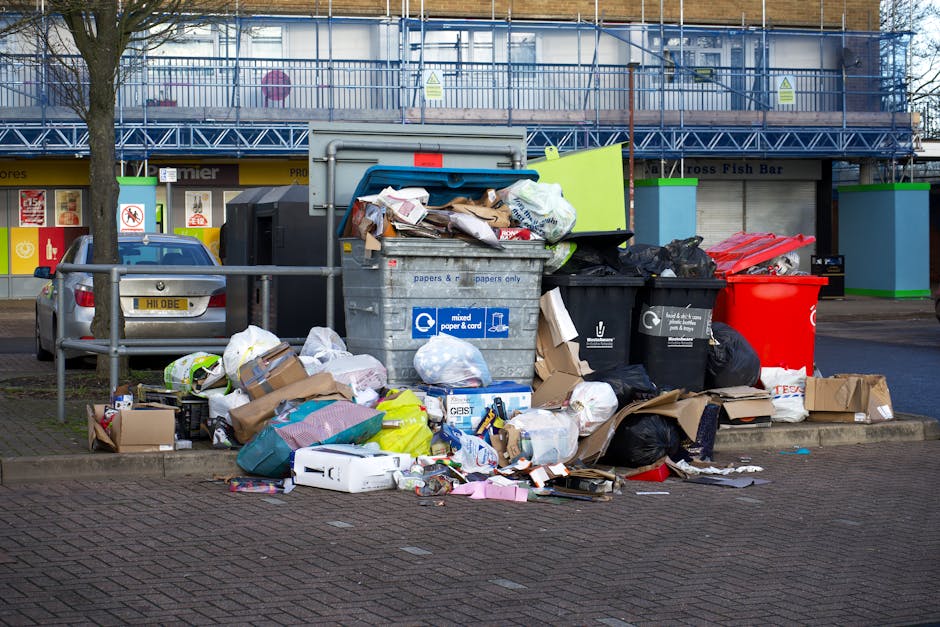
Why Office rubbish collection Central Heights Elephant and Castle Matters
Office waste is not just "stuff to throw away". In a building like Central Heights, it can include mixed recyclable waste, confidential paper, bulky furniture, worn-out IT equipment, and even awkward items that nobody wants to move twice. When rubbish builds up, the impact is immediate: desks feel cramped, walkways get blocked, and the office starts to look like nobody is fully in charge. To be fair, that can happen faster than people expect.
There's also the practical side. Offices in Elephant and Castle often operate with limited storage, shared access areas, lifts, or managed building rules. That means waste can't just sit there indefinitely while everyone waits for "someone else" to deal with it. A reliable office rubbish collection process helps keep the workplace moving, especially during refurbishments, team moves, end-of-lease clear-outs, or those classic January clear-the-cupboards moments.
Just as importantly, rubbish handling affects the impression your business makes. Clients, staff, contractors, and visitors notice small things. A tidy reception, a clear service corridor, and a clean back office all tell the same story: this place is organised. That matters more than most people admit.
If your business also needs broader support, it can help to look at the wider services overview and the dedicated office clearance Elephant and Castle service for larger or more complex jobs.
How Office rubbish collection Central Heights Elephant and Castle Works
Most office rubbish collection jobs follow a similar pattern, even if the details vary by building access, waste type, and timing. In practice, the process is usually straightforward when the office has already sorted what stays and what goes.
1. Waste is identified and grouped
The first job is separating waste into sensible categories. That might mean paper and cardboard, general waste, broken office furniture, electrical items, or confidential paperwork. If everything is dumped into one pile, the collection becomes slower, messier, and often more expensive. Nobody enjoys moving a mystery pile around at 8:30 on a Monday morning.
2. Access and timing are planned
Central Heights and nearby Elephant and Castle locations can have specific access windows, loading restrictions, or shared communal areas. Good planning avoids awkward delays with lifts, security desks, or building management. It also helps minimise disruption if staff are still working onsite.
3. The collection is carried out safely
A proper collection team will remove rubbish with the right lifting method, safe handling approach, and suitable vehicle capacity. That's especially important with heavy or bulky office items, which can include desks, filing cabinets, monitors, and awkward storage units. If the waste is mixed and difficult to move, a quick job can turn into a slow one very quickly.
4. Waste is taken for appropriate sorting and disposal
Different materials need different handling. Cardboard can often be separated for recycling, while mixed office waste may need a different route. Electrical equipment, confidential paper, and furniture all need to be treated with care and an eye on best practice. A good collection service will understand this rather than treating everything as the same thing.
5. The space is left usable again
The practical aim is simple: once the rubbish is gone, the office should feel lighter, safer, and ready to use again. If you've ever seen a meeting room after a clear-out, you know the difference. It feels quieter somehow. Less clutter, less noise, less stress.
Key Benefits and Practical Advantages
Office rubbish collection delivers more than a clean floor. It improves how the workplace functions day to day.
- Better use of space: desks, storage areas, and communal spaces stop being cluttered by items no one needs anymore.
- Safer working conditions: fewer trip hazards, fewer stacked items, and less chance of staff moving heavy waste themselves.
- Less disruption: scheduled collection reduces the "everyone dump it by the door" chaos that always seems to happen when a deadline looms.
- More professional presentation: especially useful for client-facing businesses, serviced offices, and shared workspaces.
- More efficient recycling: separating reusable and recyclable material is usually easier when the clear-out is planned properly.
- Reduced stress for staff: nobody wants rubbish management becoming another admin task on top of their actual job.
Practical summary: the best office rubbish collection is the one that clears space without creating more problems. That means planning, sorting, safe handling, and an approach that works around your building rather than against it.
Who This Is For and When It Makes Sense
This service suits a wide mix of organisations, and not just large companies. In Central Heights and the wider Elephant and Castle area, office rubbish collection is often needed by:
- small businesses clearing out a store room or back office
- startups replacing desks, chairs, or IT equipment
- shared offices managing turnover between tenants
- property managers handling end-of-lease waste
- law, finance, or professional services teams disposing of archived paperwork
- fit-out and refurbishment projects that generate bulky waste
It also makes sense when the rubbish is bigger than your team can safely handle. That includes heavy filing cabinets, old reception furniture, packaging from a delivery surge, or a pile of cardboard that has quietly taken over half a room. If staff are carrying rubbish through the office one armful at a time, you've probably already outgrown the DIY option.
For larger moves or full workspace resets, businesses often combine rubbish removal with a wider office clearance Elephant and Castle solution. And if your project includes other waste streams, the wider rubbish removal Elephant and Castle service can be a useful catch-all.
Step-by-Step Guidance
Here's a practical way to manage office rubbish collection without turning it into a drama.
- Walk through the space. Check desks, storage rooms, kitchens, reception, and any shared areas. Make a simple list of what needs to go.
- Separate waste by type. Put paper, cardboard, furniture, electrical items, and general rubbish into clearly marked groups where possible.
- Identify anything sensitive. Confidential paperwork, hard drives, or branded materials may need extra care before disposal.
- Check access points. Lifts, stairs, loading bays, and building rules can all affect how the job needs to be handled.
- Decide on timing. Early morning or quieter periods often reduce disruption. In some offices, after-hours collection is the sensible route.
- Measure bulky items. A sofa, desk, or cabinet may look manageable until you try to turn it through a narrow corridor. Happens all the time.
- Book the service and confirm details. Make sure the collection team understands the waste type, volume, access issues, and any building restrictions.
- Prepare the waste area. Keep items in one clear spot if possible. It speeds things up and keeps the rest of the office usable.
- Final sweep. Once waste is removed, do a quick check for cables, loose screws, packaging, or overlooked folders. Those tiny leftovers are always there.
That last sweep is underrated, honestly. A room can look finished, then you spot two old monitors hiding behind a cabinet. Classic.
Expert Tips for Better Results
Over time, a few habits make office rubbish collection far easier and cleaner.
- Use a waste holding area: designate one spot where rubbish can be placed before collection day. It stops the office from spreading clutter everywhere.
- Label boxes clearly: "cardboard", "paper", "electricals", and "furniture" is much better than a vague pile with no explanation.
- Don't leave heavy items until last: bulky waste tends to create bottlenecks if it is left for the end of the day.
- Protect walkways: keep escape routes, doorways, and reception areas clear. It's just smarter and safer.
- Plan around deliveries and meetings: if a collection lands in the middle of a conference call, it adds needless noise and frustration.
- Ask about recycling options: office waste often contains more recoverable material than people realise.
One small but useful trick: ask staff to clear personal items from desks before a collection date. It avoids accidental disposal, which is the kind of mistake nobody forgets in a hurry.
For businesses focused on greener operations, the recycling and sustainability page is a helpful reminder that disposal choices can be practical and responsible at the same time.
Common Mistakes to Avoid
Office rubbish collection sounds simple, until the small mistakes start piling up. These are the ones that trip people most often.
- Mixing all waste together: it slows everything down and makes sorting harder.
- Ignoring building access rules: if the lift needs booking or the loading area is restricted, you need to know that in advance.
- Leaving clearance too late: last-minute jobs usually create stress, and stress creates mistakes. Funny how that works.
- Underestimating bulky items: one old printer or cabinet can change the whole logistics plan.
- Forgetting about sensitive documents: paperwork can't just be tossed into any old bin bag.
- Not planning the aftercare: if you clear waste but don't reset the room, the space still feels messy.
Let's face it, most office waste problems are not complicated. They are just postponed. And postponed again. Then suddenly the meeting room is full of broken chairs and nobody knows how it got there.
Tools, Resources and Recommendations
You do not need a huge toolkit to manage office rubbish properly, but a few basic items make the job easier.
- Strong cardboard boxes or sacks: useful for paper, packaging, and lighter mixed items.
- Labels and markers: keep waste streams separated and easy to identify.
- Trolley or sack truck: helpful for heavier office items and reducing manual lifting.
- Gloves and protective gear: useful for anything sharp, dusty, or awkward.
- Measuring tape: surprisingly handy when checking whether furniture will fit through doors and lifts.
- Simple room inventory list: especially useful when multiple teams share the same office space.
From a service perspective, a business may also need broader support such as waste clearance Elephant and Castle for mixed material, or builders waste disposal Elephant and Castle if an office refit has created plasterboard, offcuts, or packaging from installation work.
If your workspace sits near busy transport routes or local landmarks, timing can matter even more. That's one reason some readers also look at local-area guidance such as rubbish removal near Elephant and Castle Station or a quick same-day option like same-day rubbish clearance on Walworth Road SE17 when time is tight.
Law, Compliance, Standards, or Best Practice
Office rubbish collection in the UK sits within a wider framework of good waste practice. You do not need to become a waste-law expert, but it does help to understand the basics. Businesses are generally expected to handle waste responsibly, avoid fly-tipping, and keep the workplace safe. That sounds obvious, but it's easy to get casual about it when the office is busy.
For office environments, the most sensible approach is to separate waste where possible, avoid mixing recyclable material with general rubbish, and treat confidential items carefully. Paper records, file storage, and old devices often contain information that should not be left exposed or dumped casually.
Where electrical items are involved, best practice is to avoid leaving them in shared corridors or unsecured spaces. Broken monitors, cables, and printers can create clutter and safety issues. Furniture should be moved carefully so it does not damage common areas, lifts, or walls. In a managed building, that matters quite a bit.
It is also wise to keep an eye on documentation, especially if the collection covers business waste, IT items, or larger clear-outs. A reputable provider should be able to explain how materials are handled in plain English. If something sounds vague, ask again. Better a slightly awkward question now than a bigger problem later.
If you want to learn more about the company's approach to responsibility and service standards, the pages on insurance and safety, terms and conditions, and privacy policy are useful reading. They help set expectations around how a professional service should operate.
Options, Methods, or Comparison Table
There is no single right way to handle office rubbish. The right method depends on volume, urgency, and how much sorting your team can reasonably do in-house.
| Option | Best for | Advantages | Watch out for |
|---|---|---|---|
| In-house disposal | Very small amounts of light waste | Simple for tiny jobs, low immediate effort | Can waste staff time and quickly become unsafe or messy |
| Scheduled office rubbish collection | Routine clear-outs and mixed office waste | Predictable, tidy, and usually efficient | Needs basic planning and clear access |
| Full office clearance | Moves, refurbishments, end-of-lease situations | Handles more items in one go, reduces disruption | Requires better planning and more detailed coordination |
| Specialist waste support | Bulky, mixed, or project-specific waste | Good for awkward loads and larger changes | Needs accurate waste description up front |
If your office is going through a transition, a combination of scheduled collection and clearance is often the smartest route. That way you avoid the last-day scramble, which is never fun. Never.
Case Study or Real-World Example
Imagine a small professional office near Central Heights that has just downsized from eight staff to five. The team still has old filing cabinets, a stack of archived folders, spare monitors, empty printer boxes, and a broken reception chair that has been "temporarily" sitting in the corner for three months. You know how these things go.
Rather than asking staff to make multiple trips down the lift or leaving everything for building maintenance to deal with later, the office manager sets up a clear-out day. Paper files are separated, electronics are grouped together, and the bulky items are placed in one accessible area near the service entrance. The team also checks which folders need to be retained, because once waste is gone, it is gone. There is no magic undo button.
The benefit is immediate. The next day, the office feels brighter, and staff can actually move through the room without shuffling sideways. The manager gets back time, the team gets a cleaner working environment, and the building stays tidy. Small win, but a real one.
For a larger transition, businesses often prefer a service-led route such as about us to understand who they are working with, plus a proper look at pricing and quotes before booking. That little bit of clarity upfront can save a surprising amount of back-and-forth later.
Practical Checklist
Use this before collection day. It keeps everything calmer, honestly.
- List all items to be removed.
- Separate paper, cardboard, furniture, electricals, and general waste.
- Identify any confidential files or data-bearing devices.
- Check building access, lift booking, and loading restrictions.
- Measure bulky items and note any awkward corridors or narrow doors.
- Choose a collection time that minimises disruption.
- Keep waste in one clear, easy-to-reach area.
- Remove personal items from desks and drawers first.
- Confirm whether any items need special handling.
- Do a final walk-through after the collection is complete.
If your workplace supports sustainability goals, the recycling and sustainability page is worth a look for a broader sense of responsible disposal. And if you are looking at related services beyond office waste, there are useful options such as house clearance Elephant and Castle for mixed property clear-outs or about us for service background.
Get a free quote today and see how much you can save.
Conclusion
Office rubbish collection Central Heights Elephant and Castle is really about keeping workspaces functional, safe, and ready for the people using them. Whether you are clearing out old furniture, tidying up after a refit, or just trying to stop cardboard from taking over the storeroom, the right approach saves time and stress. It also helps your office feel more in control, which, let's be honest, is worth a lot on its own.
The best results usually come from simple planning: sort waste early, check access, keep sensitive items separate, and choose a collection method that matches the size of the job. Do that, and the process becomes much less painful. Maybe even pleasantly boring, which is ideal for rubbish removal, really.
And if you are dealing with office waste right now, the good news is that a cleaner space is usually closer than it feels. One organised clear-out can change the whole mood of the place.


 Tipper Van - Rubbish Removal and Builders Waste Removal Prices in Elephant and Castle
 Luton Van - Rubbish Removal and Builders Waste Removal Prices in Elephant and Castle