






Rubbish removal Elephant and Castle station
Posted on 09/06/2026
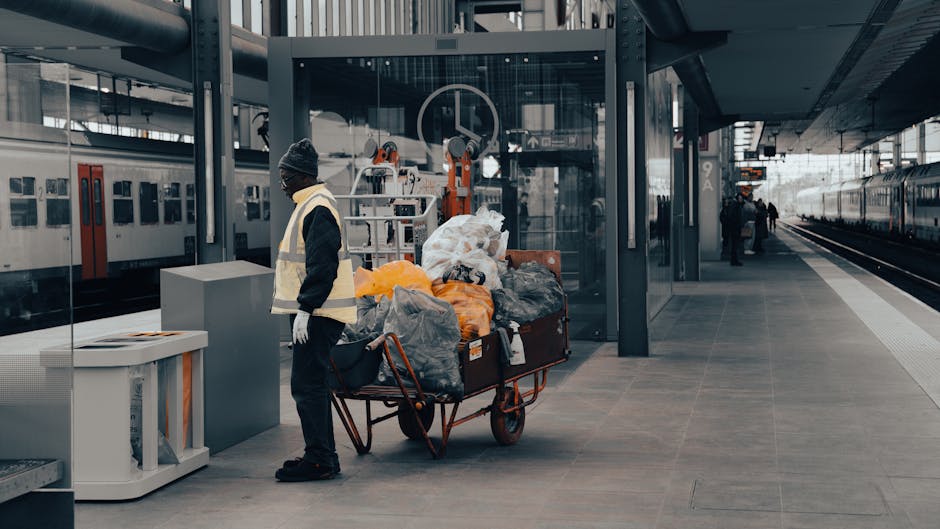
Rubbish removal Elephant and Castle station: a practical local guide
If you are dealing with unwanted furniture, builder's debris, office clutter, or a general clear-out near the station, rubbish removal Elephant and Castle station can save you a lot of time, stress, and awkward lifting. The area moves quickly, roads can get busy, and flats, shops, and office spaces around the station often need waste cleared on a tight schedule. This guide walks you through how local rubbish removal works, what to expect, where people go wrong, and how to choose the most sensible option for your situation.
Truth be told, most people do not think about waste removal until the pile is already in the hallway. Then it becomes urgent. So let's make it simpler.
Why Rubbish removal Elephant and Castle station Matters
Elephant and Castle station sits in a busy part of London where space is precious and schedules are tight. That alone makes waste clearance a different experience from clearing rubbish in a quieter suburban street. If you are living in a flat above a shop, running a business nearby, managing a refurbishment, or moving property, clutter builds up fast and becomes difficult to ignore.
There is also the practical side. Larger items do not fit neatly into domestic bins. Some waste is too bulky for ordinary collection services. Other items, such as renovation rubble or office equipment, need sorting before they can be taken away. A planned rubbish removal service helps prevent that frustrating in-between stage where your space is unusable but the job is still unfinished.
In an area like this, timing matters too. A missed collection window can mean bags sitting in a corridor, in front of a shop, or by a loading area where they are in the way. Not ideal. And let's face it, nobody wants to wrestle a broken wardrobe down narrow stairs after a long day.
For local residents, landlords, builders, and businesses, good rubbish removal is less about "getting rid of stuff" and more about keeping a place safe, presentable, and workable. That is the real value.
You may also find it helpful to explore the wider services overview if you are trying to understand which type of clearance suits your property or project.
How Rubbish removal Elephant and Castle station Works
Most rubbish removal jobs follow a fairly simple pattern, even if the details vary. The basic idea is to remove waste from your property quickly, load it safely, and dispose of it responsibly. Near Elephant and Castle station, that often means considering access, traffic, parking, lift availability, and whether items need to be carried through shared entrances.
Typical process
- Identify the waste. Start by separating furniture, general rubbish, recyclables, builder's waste, electricals, and anything potentially hazardous.
- Estimate the volume. A small pile in a corner can become a full load once it is broken down. That happens more often than people think.
- Arrange collection. Choose a time that works with your building rules, deliveries, or business hours.
- Load and remove. The team collects items from the agreed location, which may be curbside, inside the property, or from a loading bay.
- Sort and dispose. Waste should be directed to the appropriate route: reuse, recycling, recovery, or disposal.
It sounds straightforward, and often it is. But the usefulness lies in the details. For example, if you are clearing a flat near the station, access might be easier early in the morning before the area gets busier. If it is an office clearance, you may need a provider that can work around staff and building management without causing disruption.
If you are weighing broader service choices, our rubbish removal in Elephant and Castle page gives a more service-focused overview. For more substantial clearances, waste clearance Elephant and Castle is usually the better fit.
Key Benefits and Practical Advantages
The obvious benefit is convenience, but the real advantages go a bit deeper than that. A well-run clearance protects your time, your space, and, in some situations, your reputation.
- Less disruption: You avoid dragging heavy items through lifts, corridors, or shared entrances for hours on end.
- Better safety: Broken furniture, loose glass, and sharp debris are handled properly instead of sitting around waiting for "later."
- Cleaner presentation: This matters for landlords, letting agents, shop owners, and anyone preparing a property for sale or rent.
- More efficient disposal: Materials can be separated for recycling or specialist handling where appropriate.
- Flexible support: The same local area may need very different solutions, from one sofa to a full office strip-out.
There is also a psychological benefit people underestimate. Once rubbish is gone, the room feels usable again. That spare bedroom becomes a bedroom, not a storage cave. The back office becomes an office again. Simple, but powerful.
For people concerned about environmental handling, the recycling and sustainability page is worth a look because responsible disposal should always be part of the conversation.
Who This Is For and When It Makes Sense
Rubbish removal around Elephant and Castle station is useful for more people than you might expect. It is not just for major building projects or dramatic house moves. In fact, smaller, ordinary situations often create the most urgent jobs.
Common users of the service
- Residents in flats: Ideal for furniture, bags of mixed waste, appliances, and clear-outs after moving.
- Landlords and agents: Helpful between tenancies, especially when left-behind items need removal quickly.
- Office managers: Useful for desks, chairs, filing units, screens, and general office clutter.
- Builders and trades: Essential when plasterboard, timber offcuts, packaging, or rubble starts taking over.
- Homeowners: Good for lofts, sheds, garages, and whole-property clearances.
It makes sense when the waste is too much for a standard bin, too bulky for a normal car, or too awkward to shift safely on your own. It also makes sense when you simply do not want a multi-day clean-up hanging over your head.
For a fuller view of the kinds of work a local provider can handle, take a look at the service list. If your situation is tied to a commercial premises, office clearance Elephant and Castle is especially relevant. If it is a domestic clear-out, house clearance Elephant and Castle may be the better route.
Step-by-Step Guidance
Here is the practical version, without the fluff. If you want the job done properly, follow a simple structure.
- Walk through the property. Decide what is going and what is staying. Sounds obvious, but items get mixed up more often than people admit.
- Separate special waste early. Electricals, paints, batteries, and certain construction materials should not be thrown into a general pile.
- Measure awkward items. Doors, lifts, and stairwells around station-area buildings can be tight. Check before removal day.
- Choose a suitable collection time. Avoid periods when access is busiest if you can. Early mornings are often easier.
- Ask about loading and handling. Find out whether items will be collected from inside, the curb, or a designated bay.
- Confirm disposal expectations. A reliable provider should explain where the waste goes and what is recycled.
A small but useful habit: put a note on anything you are definitely keeping. It sounds a bit daft until you are surrounded by white bags and old shelving and cannot remember which cable belonged to what. We have all seen it happen.
If your job includes outdoor waste, the dedicated garden waste removal Elephant and Castle option may make more sense than a general clearance. And if your project includes bricks, soil, or renovation debris, builders waste disposal Elephant and Castle is the better match.
Expert Tips for Better Results
The smoother jobs usually come down to preparation, not luck. A little planning goes a long way, especially in a busy London location where access can change quickly.
What tends to work best
- Bundle similar materials together. It makes loading faster and helps with sorting.
- Break down bulky furniture. Flat-pack style pieces are easier to carry and easier to fit in a vehicle.
- Leave a clear path. Hallways, stairwells, and lifts should be kept as open as possible.
- Photograph awkward items. This can help if you need to explain access issues or estimate space.
- Keep hazardous items separate. Do not guess. If in doubt, ask before the removal day.
One thing we often notice: people underestimate how much time is lost by hunting for keys, clearing doorways, or unstacking boxes one at a time. Fix the access issues first. Then the rest goes much more smoothly.
If you are comparing service providers, the about us page can help you judge whether a company presents itself in a clear, trustworthy way, while insurance and safety should reassure you that the basics are properly covered.
Common Mistakes to Avoid
A lot of clearance problems are self-inflicted, honestly. Nothing dramatic, just avoidable issues that turn a simple removal into a messy afternoon.
- Leaving everything until the last minute: This creates pressure and increases the chance of missed items or rushed sorting.
- Mixing waste types: General rubbish, builders waste, and electricals may need different handling.
- Ignoring access restrictions: Some buildings have strict rules on lift use, parking, or collection times.
- Forgetting fragile or confidential items: Important documents and breakables should be removed separately.
- Assuming the cheapest option is the best: Not always. Poor handling can be more expensive in the end.
Another mistake is not checking whether the service covers your actual job. For example, a small household clear-out and a full office clearance are not the same thing. Neither are mixed renovation wastes and bagged domestic rubbish. The wrong fit can cost time and cause frustration, and nobody needs more of that.
Tools, Resources and Recommendations
You do not need specialist equipment for every clearance, but a few practical tools make life easier.
| Tool or resource | Why it helps | Best used for |
|---|---|---|
| Strong sacks or boxes | Keeps smaller waste organised and easier to lift | General clutter, papers, mixed household waste |
| Marker labels | Helps separate keep, donate, recycle, and remove piles | House moves, office reorganisations |
| Basic tape measure | Useful for checking bulky items against doors and lifts | Furniture removals, tight access jobs |
| Gloves and closed shoes | Simple protection against sharp edges and dust | DIY waste, lofts, garages, garden clearances |
| Service overview pages | Helps you match the job to the right type of clearance | Comparing options before booking |
For practical planning, the strongest recommendation is simple: choose the service that actually matches the waste. It sounds obvious, but a surprising number of people try to make one service do the work of three. That's when delays start.
If your priority is understanding costs and what influences them, the pricing and quotes page is the most sensible next stop.
Law, Compliance, Standards and Best Practice
Waste removal in the UK should always be approached carefully. You do not need to become a compliance expert, but you should know the basics. Responsible providers are expected to handle waste correctly, keep records where needed, and dispose of items through appropriate facilities. That matters for safety, traceability, and environmental responsibility.
For customers, the main takeaway is straightforward: do not hand waste to anyone who seems vague about where it goes. If a company cannot explain its process in plain English, that is usually a bad sign. Not always, but usually. The same goes for unclear pricing, messy paperwork, or odd reluctance to discuss insurance.
There are also practical standards around safe lifting, access management, and the handling of electrical or potentially hazardous items. In a station-area location, that can include care around pedestrian traffic, loading spaces, and building rules. A good service should work cleanly and leave the area tidy, not create a second problem while solving the first.
For added confidence, review the company's terms and conditions, privacy policy, payment and security, and cookie policy. It is not glamorous reading, admittedly, but it tells you a lot about how a business operates.
Options, Methods and Comparison Table
Different types of waste call for different approaches. Picking the right method makes the whole thing cheaper, cleaner, and less stressful.
| Method | Best for | Strengths | Watch-outs |
|---|---|---|---|
| Bagged rubbish collection | Small domestic clear-outs | Quick, simple, tidy | Not ideal for heavy or bulky items |
| Bulky item removal | Sofas, wardrobes, appliances | Fast and practical | Access and lifting need planning |
| House clearance | Multiple rooms or full properties | Comprehensive, efficient | More sorting required beforehand |
| Office clearance | Desks, chairs, files, equipment | Useful for business moves and refurbishments | Confidential material must be handled carefully |
| Builders waste disposal | DIY and renovation debris | Suited to heavy, mixed material | May require extra care for dust and sharp waste |
That comparison is the key decision point for most people. If you have a one-off sofa and a few boxes, general rubbish removal is fine. If you are emptying a two-bedroom flat after a tenancy, a house clearance is usually more efficient. Simple enough, really.
Case Study or Real-World Example
Here is a realistic example from the kind of job that comes up all the time near the station.
A small flat close to Elephant and Castle station needs clearing after a tenant move-out. The property contains a broken bed frame, two wardrobes, several bags of general rubbish, a microwave, and a few loose items in the kitchen. The hallway is narrow, the building has shared access, and there is a busy stretch outside during the day.
The sensible approach is to sort items first, move fragile or kept belongings to one side, and book a clearance window that avoids the busiest access times. The bulky pieces are disassembled where possible, the electrical item is separated for proper handling, and the rest is loaded in one visit. The result is a clean flat, a safer corridor, and much less back-and-forth than if the tenant or landlord had tried to do it all with a car and a couple of bins.
It is not a dramatic story. That is exactly why it matters. Most good rubbish removal jobs are a bit boring in the best possible way. They just work.
For anyone dealing with moving, property turnover, or a post-refurbishment clean-up, the local blog posts on living in Elephant and Castle, smart property buys, and trading real estate in Elephant and Castle offer useful local context too.
Practical Checklist
Use this before collection day. It saves headaches.
- Sort items into keep, recycle, donate, and remove.
- Check access: stairs, lift, parking, loading space, and building rules.
- Separate electricals, sharp materials, and any hazardous items.
- Break down bulky furniture where it is safe to do so.
- Measure awkward items and doorways if space is tight.
- Confirm collection time and who will be present.
- Make sure communal areas stay clear.
- Keep important documents and valuables out of the waste pile.
- Ask about recycling and disposal methods.
- Review pricing and scope before booking.
Expert summary: the best rubbish removal jobs near Elephant and Castle station are the ones that are planned just enough to avoid last-minute chaos, but not so overcomplicated that they become another project in themselves.
If you are ready to get moving, explore the relevant local service pages and choose the option that fits your load, access, and timing. A tidy, uncluttered space can change the feel of a whole day, sometimes even a whole week.
Get a free quote today and see how much you can save.

Conclusion
Rubbish removal Elephant and Castle station is ultimately about restoring order in a place where space is valuable and movement is constant. Whether you are clearing a flat, a shop, an office, or a renovation site, the right approach saves time, reduces stress, and helps keep waste handling responsible.
The smartest choice is usually the simplest one: match the service to the waste, check access before the day arrives, and choose a provider that is clear about safety, pricing, and disposal. Do that, and the whole job becomes far easier than people expect.
And once the last bag is gone, the room feels different. Quieter somehow. Better. That's the bit most people remember.


 Tipper Van - Rubbish Removal and Builders Waste Removal Prices in Elephant and Castle
 Luton Van - Rubbish Removal and Builders Waste Removal Prices in Elephant and Castle